Erin Brockovich Targets AI Industry With New Data Center Map
Reading time 2 minutes
Activist Erin Brockovich is setting her sights on the AI industry, launching a new crowdsourced map that collects community concerns about the major AI data centers popping up across the country.
“The RACE to build AI infrastructures is unfolding town by town across America. In some places, data centers are welcomed. In others, they are delayed, contested or abandoned altogether. This MAP captures the real-world footprint of that race — revealing patterns of growth, conflict and uncertainty,” Brockovich said on the map’s webpage.
Brockovich is best known for her work on the successful case against Pacific Gas & Electric over the company’s contamination of groundwater in California. Julia Roberts even won an Oscar for playing Brockovich in the 2000 film based on her life.
Now, the activist is taking aim at the AI boom backed by the White House, Wall Street, and some of the most powerful companies in the world.
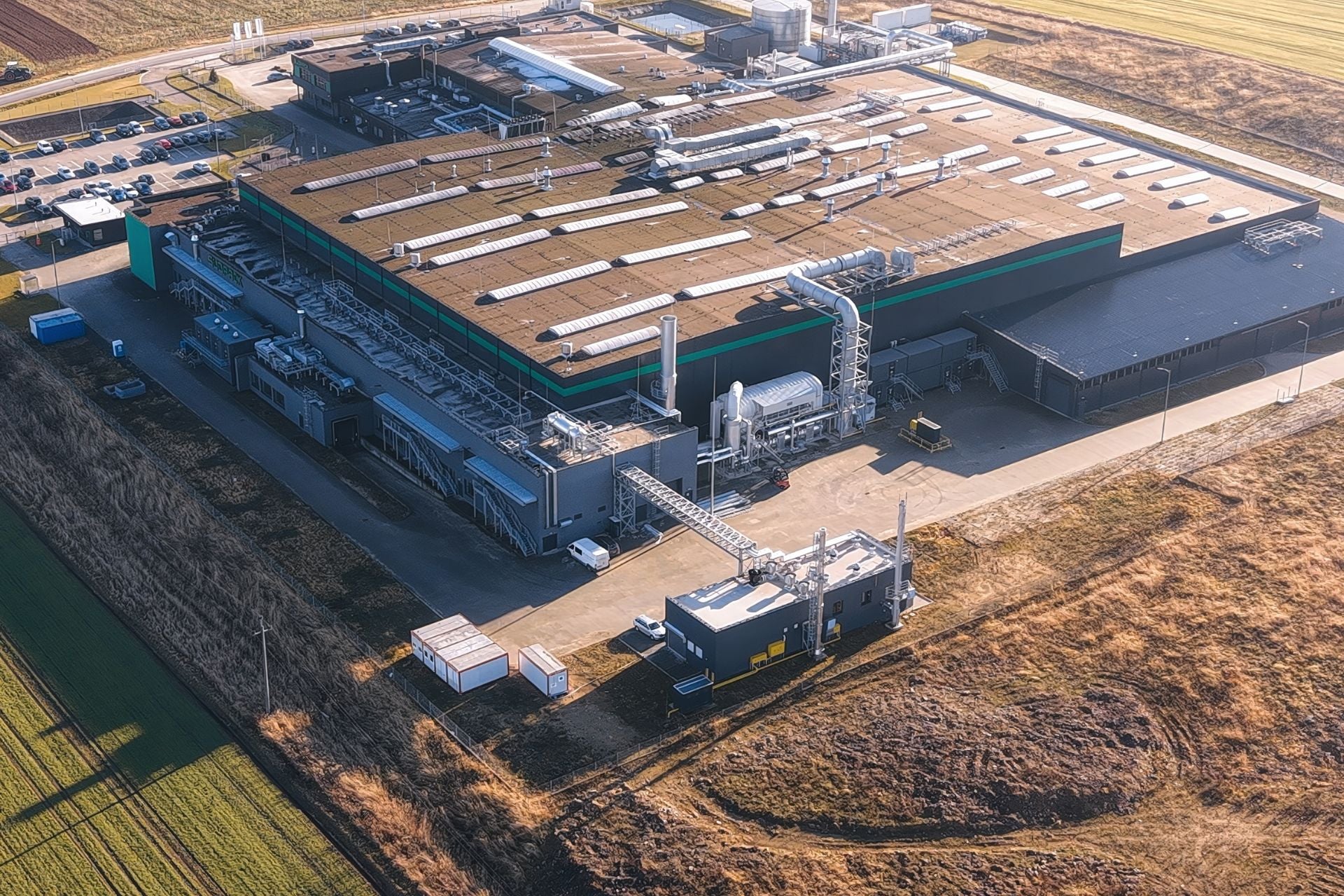
Brockovich’s effort comes as nearly every major tech company, including Meta, Amazon, Microsoft, Google, and OpenAI, is pouring billions of dollars into building out the infrastructure needed to train and run their competing AI models. Collectively, these companies are expected to spend at least $700 billion this year on AI infrastructure and development, according to CNBC.
But these projects have also attracted growing backlash, especially from local residents worried about the strain these massive facilities could place on water supplies, power grids, and their communities. In some cases, that opposition has already helped defeat proposed data center projects.
While some lawmakers have called for a national moratorium on the construction or expansion of new AI data center projects, President Donald Trump’s administration has taken a largely hands-off approach to regulating AI so far. The administration has argued that advancing AI is key to U.S. national security and economic competitiveness.
A recent news report also claim that federal and law enforcement agencies are increasingly paying attention to what they describe as “anti-technology violent extremism,” including fears that extremists could target data centers. That puts Brockovich’s latest effort up against some pretty powerful forces.
Brockovich’s map overlays major operational, under-construction, and proposed AI data centers with community-submitted reports of concerns. The site says the map only shows publicly announced, major AI-focused and hyperscale data centers running AI workloads, meaning smaller facilities do not appear.
So far, the map has received more than 2,700 community reports with the largest share coming from Texas, where residents have submitted more than 600. The top concerns listed on the site include water usage, energy consumption, and health.
The website also includes a section on community impact, pointing to 15 local moratoria on data center projects and six zoning or permit denials.
“These challenges highlight the need for sustainable, secure, and efficient AI data center practices,” the website says. “Self-reporting is the best way we can get this information out to the public!”
Explore more on these topics
Sign up for our newsletters
Subscribe and interact with our community, get up to date with our customised Newsletters and much more.
Related Articles





Source link