Data center water use is one of the hot topics right now in the U.S. and is one of the primary reasons why such projects are being blocked across the nation. However, Amazon claimed that it’s improving its water efficiency and that it uses the least amount of water on a per kWh basis among the AI tech giants, including Microsoft, Google, and Meta. Aside from that, it also said that despite using 2.5 billion gallons of water across the world in its data centers, it said that that amount is still a fraction of what other industries in the U.S. are using annually.
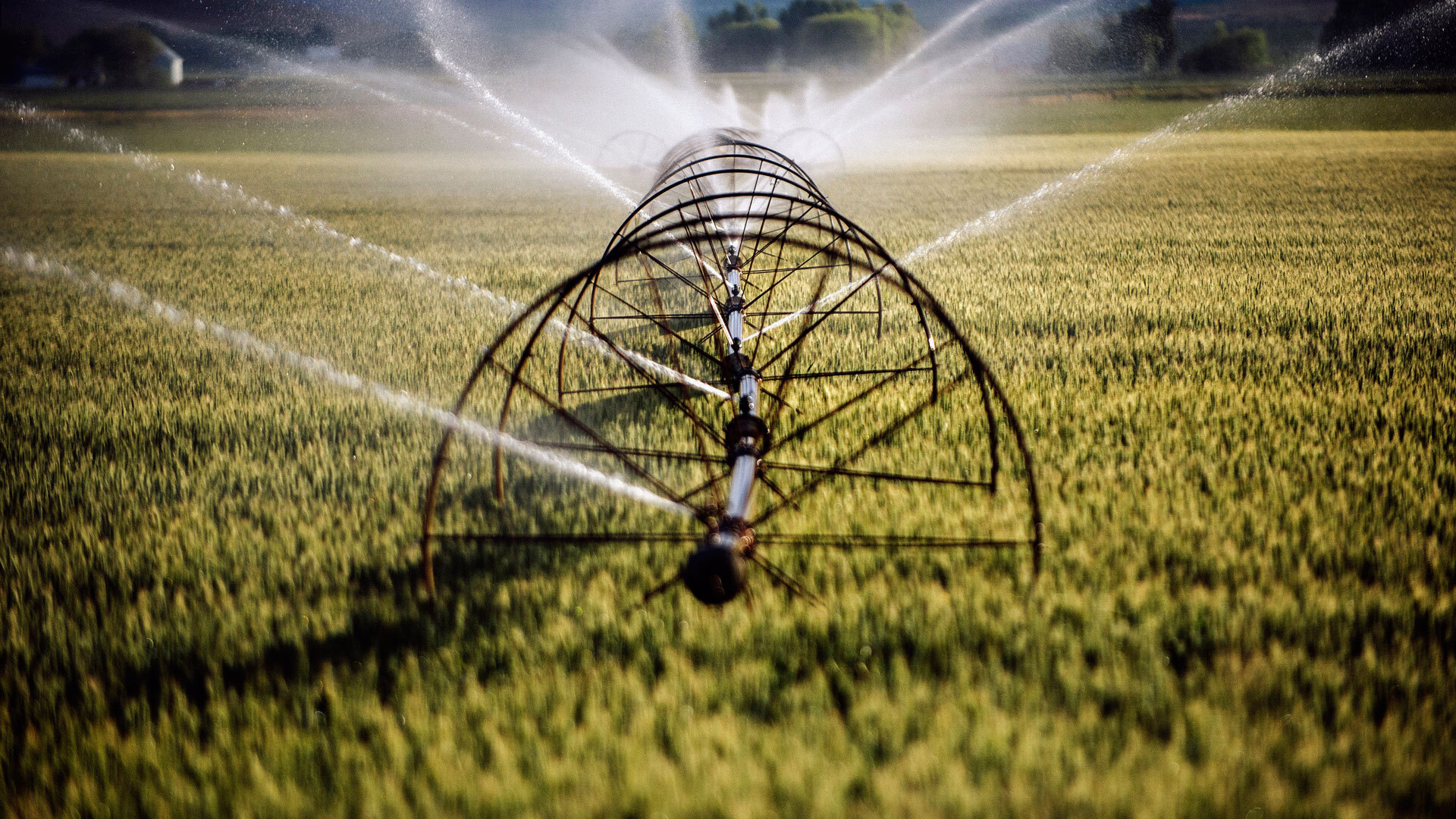
Amazon pointed at EPA data from 2017 that said Americans use 9 billion gallons of water daily just for landscape irrigation. This amounts to nearly 3.3 trillion gallons of water every year just for watering plants and gardens and doesn’t even include the irrigation needed for food production. This makes its 2.5-billion-gallon water consumption a literal drop in the bucket, amounting to just 0.075% of water used for keeping gardens green and thriving.
These gardens, however, have a direct benefit in that they could potentially keep ambient temperatures lower (versus an all-cement environment) and add to the aesthetics of the immediate area — the only question is how many people these developments benefit. Moreover, many new data centers in the U.S. are reportedly being built in areas suffering from water issues. While the overall data center water consumption might seem small if you look at the larger picture, we still cannot turn a blind eye to its potential effects on the local community.

For example, a Meta data center has allegedly caused a Georgia town’s deep-well water source to muddy — a sign that the level of the local water table is hitting low levels, allowing mud to be siphoned by the residents’ water pumps. Another site reportedly sucked 29 million gallons of water in 15 months, which caused low water pressures for residents. Reports like these make it harder for other data center projects to secure permits from local governments to start construction, especially as communities fear that these issues could happen in their area, too.
Amazon boasts water efficiency improvements
As the pushback against data centers’ egregious resource consumption has become front-and-center in many permitting fights, Amazon is showing that it’s taking steps to reduce its water consumption and claims that it’s on track to being “water positive” by 2030. It achieved this by implementing innovations in its data centers to reduce water use without reducing performance.
The company says that it mostly uses air cooling for its data centers, which uses up a lot less electricity compared to water cooling. But when ambient temperatures rise, it switches to Direct Evaporative Cooling, with the company spraying water on an absorbent medium, which the company describes as “a sophisticated, giant sponge,” and then runs the hot air through it to reduce temperatures by five to 10 degrees. It says that this is more power efficient than using chillers, reducing power use by about 20% to 25% during the hottest time of the day when power usage by other users is at its highest, too.
It also said that it raised the temperature thresholds in its data centers. While this meant that its servers ran hotter compared to previous years, it didn’t impact on the longevity of their hardware and they were still able to deliver the same amount of computing power as before. Through trial and error, the company discovered that it could keep running its servers using air cooling only, with its water-cooling systems only kicking in once the ambient temperature reaches 85 degrees F (or more than 29 degrees C). This resulted in 50% reduction in water use, says Amazon water specialist Beau Schilz.
Efforts like this are essential for data center operations to become sustainable. After all, despite the pushback against new data center projects, we cannot forever put a moratorium on them as AI’s demand for compute is increasing. But until AI hyperscalers can earn back the trust of the people and prove that they can build infrastructure without increasing costs for everyone else and hoarding the resources that communities need for their survival, then they can only expect opposition to continue.

Follow Tom's Hardware on Google News, or add us as a preferred source, to get our latest news, analysis, & reviews in your feeds.

Source link