Anthropic CEO Dario Amodei pushes government for stronger AI regulation
Dario Amodei proposed a regulatory framework following a recent cybersecurity disruption caused by the Claude Mythos Preview system.
3 Min Read


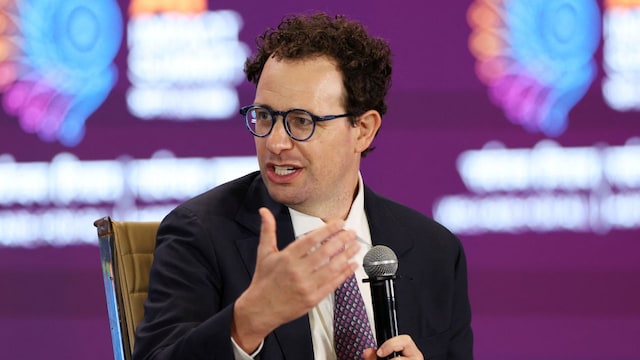
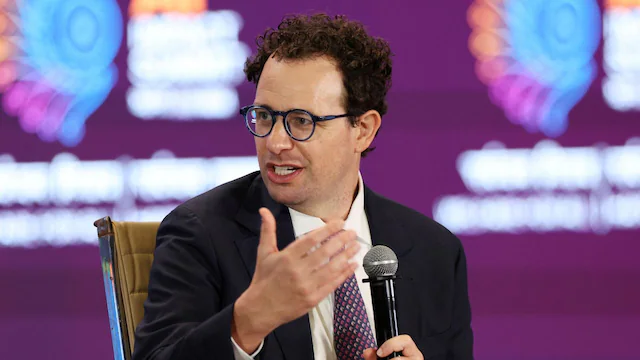
Anthropic CEO Dario Amodei has called for stronger government regulation of artificial intelligence (AI). In a new essay published on Wednesday, June 10, he argued that voluntary safety measures are no longer enough, as “AI is advancing at a lightning pace.”
“In the several years that it can take Congress to act, AI can go from an amusing toy to the full country of geniuses,” he said. The Anthropic chief proposed a regulatory framework similar to those used in industries such as aviation, pharmaceuticals, and automobiles.
According to Amodei, these evaluations should focus on risks, including cybersecurity threats, biological weapon risks, autonomous behaviour, and the possibility that AI systems could accelerate their own research capabilities. He argued that transparency requirements alone are not enough and that governments should have the power to intervene when companies fail to meet safety standards.
“The government should have the power to block or deter deployment of the model if it is determined, in light of third-party assessment, to present unacceptable risks. This power must be scoped to the above four specific risks and there must be protective measures against political favouritism or arbitrary decisions,” he said.
He also called for greater international cooperation among democratic countries on AI governance and supported a ban on the domestic deployment of fully autonomous weapons. He said, “We now, globally and collectively, need to activate a slow and rickety policy apparatus to deal with risks and opportunities that are going to compound surprisingly quickly from here.”
Beyond safety concerns, Amodei highlighted in his essay the potential impact of AI on jobs and the economy. He said AI could cause larger and longer-lasting disruptions to the labour market than any previous technological revolution. To address these concerns, he proposed measures such as better tracking of AI-related job losses, wage insurance programmes, incentives for companies to retain employees and broader social support systems.
At the same time, Amodei urged governments to modernise regulatory agencies so they can respond more quickly to AI-driven innovations. Towards the end of the essay, he said, “There is an aspirational but realistic future world in which a broad nonpartisan coalition, driven by direct recognition of the challenges posed by AI, leads to sane and forward-looking policies being adopted much faster than usual. The sooner we do this, the sooner we can all share in AI’s incredible benefits.”
“In the several years that it can take Congress to act, AI can go from an amusing toy to the full country of geniuses,” he said. The Anthropic chief proposed a regulatory framework similar to those used in industries such as aviation, pharmaceuticals, and automobiles.
Under his plan, advanced AI models would be required to undergo independent safety testing before being released to the public. The proposal comes after recent cybersecurity disruptions caused by the Claude Mythos Preview system.
According to Amodei, these evaluations should focus on risks, including cybersecurity threats, biological weapon risks, autonomous behaviour, and the possibility that AI systems could accelerate their own research capabilities. He argued that transparency requirements alone are not enough and that governments should have the power to intervene when companies fail to meet safety standards.
“The government should have the power to block or deter deployment of the model if it is determined, in light of third-party assessment, to present unacceptable risks. This power must be scoped to the above four specific risks and there must be protective measures against political favouritism or arbitrary decisions,” he said.
He also called for greater international cooperation among democratic countries on AI governance and supported a ban on the domestic deployment of fully autonomous weapons. He said, “We now, globally and collectively, need to activate a slow and rickety policy apparatus to deal with risks and opportunities that are going to compound surprisingly quickly from here.”
Beyond safety concerns, Amodei highlighted in his essay the potential impact of AI on jobs and the economy. He said AI could cause larger and longer-lasting disruptions to the labour market than any previous technological revolution. To address these concerns, he proposed measures such as better tracking of AI-related job losses, wage insurance programmes, incentives for companies to retain employees and broader social support systems.
At the same time, Amodei urged governments to modernise regulatory agencies so they can respond more quickly to AI-driven innovations. Towards the end of the essay, he said, “There is an aspirational but realistic future world in which a broad nonpartisan coalition, driven by direct recognition of the challenges posed by AI, leads to sane and forward-looking policies being adopted much faster than usual. The sooner we do this, the sooner we can all share in AI’s incredible benefits.”
(Edited by : Sudarsanan Mani)
Source link