Explained: How Europe’s defence and tech shift is opening doors for Indian deep-tech startups
Europe's push to diversify supply chains, strengthen defence capabilities and secure access to critical minerals is creating fresh opportunities for Indian deep-tech firms. Industry leaders say sectors such as drones, advanced manufacturing, healthcare and critical minerals could drive the next phase of India-Europe technology collaboration.
5 Min Read


As Europe grapples with geopolitical uncertainty, rising defence spending, and growing concerns over supply chain resilience, Indian deep-tech companies are finding new opportunities in markets that were once difficult to access.
Industry leaders speaking to CNBC-TV18, said the convergence of strategic interests between India and Europe is opening doors for Indian startups working in areas such as drones, critical minerals, healthcare, space technology, and advanced manufacturing.
Why Europe is becoming important for Indian deep-tech
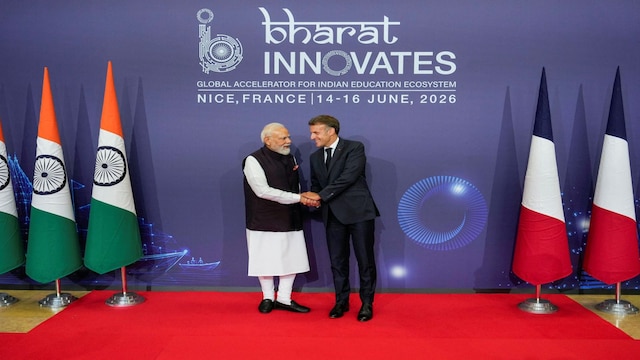
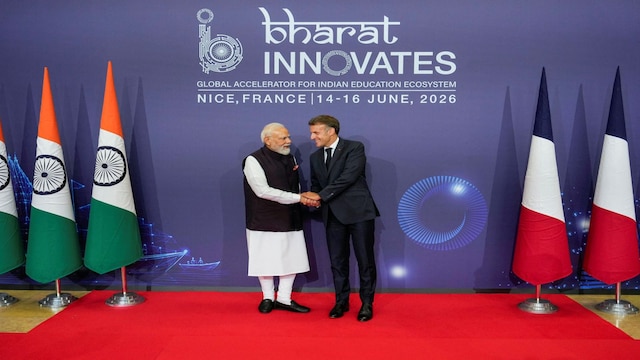
India's flagship innovation programme, Bharat Innovates 2026, made its global debut in France this week, bringing together 120 innovators, over 500 global stakeholders, and leading investors, entrepreneurs and policymakers from India and Europe.
The event highlighted growing cooperation between the two regions in sectors ranging from semiconductors and biotechnology to energy, healthcare and space technology.
While Europe has traditionally not been a major source of venture capital for Indian startups, investors believe that could change over time.
Dipanjan Basu, Co-Founder and Partner at Fireside Ventures, said Europe possesses large pools of long-term capital through pension funds, endowments and family offices, but much of that money has remained out of reach for Indian startups.
"We have not seen a significant change over the last couple of years, but hopefully, with this collaboration between India and France, and with what we're doing with the UK and other countries, we could see more participation of European capital in Indian venture investments over the next few years," Basu told CNBC-TV18.
According to him, European capital remains a relatively small contributor to India's startup ecosystem compared with investors from the United States and the Middle East.
Geopolitics is reshaping technology partnerships
Beyond capital, geopolitics is increasingly influencing technology adoption and partnerships.
The wars in Ukraine and West Asia have accelerated global interest in defence technologies, particularly drones and counter-drone systems. At the same time, governments are becoming more selective about where critical technologies are sourced from.
Ankit Mehra, CEO of ideaForge, said India is emerging as a credible supplier of trusted technology at a time when many countries are looking for alternatives to existing suppliers.
"When you look at places where secure and trustworthy technology can be sourced from right now, India becomes a very important option for the global ecosystem," Mehra said.
He noted that Europe has significantly increased defence spending, creating fresh opportunities for Indian drone manufacturers. However, accessing European defence markets will require partnerships, local manufacturing arrangements and greater integration with regional procurement ecosystems.
Still, Mehra believes India's drone industry is well-positioned to benefit from rising global demand.
"The future of military technology is difficult to imagine without drone technology playing a central role," he said.
Critical minerals emerge as a strategic opportunity
Another area attracting significant European interest is critical minerals.
Countries across Europe are seeking ways to reduce their dependence on China for the processing and refining of minerals used in batteries, electronics and clean energy technologies.
Nitin Gupta, CEO and Co-Founder of Attero, said India's growing expertise in mineral extraction and recycling technologies is attracting attention from governments and businesses worldwide.
"The technology developed by Attero in India is among the best globally in extracting and recycling various critical minerals," Gupta said.
He added that countries across Europe are keen to understand how Indian technology can help them build greater self-reliance in strategic supply chains.
"The technology that works in India works equally well in Europe and in other parts of the world," Gupta said.
While sustainability remains a key consideration for European investors, Gupta argued that commercial viability remains the primary requirement.
"Sustainability is a good thing to have, not the only thing to have. If the product works and is efficient and cost-effective, then sustainability is the cherry on top," he said.
India's deep-tech opportunity extends beyond AI
Even as artificial intelligence dominates global technology conversations, investors believe India's biggest opportunities may lie in sectors where AI acts as an enabler rather than the core product.
Basu said India may not yet have the scale of capital required to build large foundational AI models comparable to global leaders. However, he sees substantial opportunities in applying AI across sectors such as healthcare, biosciences, space technology and manufacturing.
According to him, these sectors are attracting increasing support from institutional investors, government initiatives and strategic funds.
If India wants to build long-term leadership in deep technology, Basu believes sectors such as space technology, health tech, biosciences and advanced manufacturing could emerge as major strengths.
Innovation and manufacturing must go hand in hand
The discussions at Bharat Innovates 2026 also highlighted a broader question facing India's technology ecosystem: should the country focus on innovation or manufacturing?
Gupta believes the answer is both.
"Unless we develop the technology ourselves, becoming a global manufacturing powerhouse alone is not a sustainable long-term strategic play," he said.
As Europe seeks trusted technology partners and India pushes to strengthen its deep-tech ecosystem, industry leaders believe the next phase of cooperation could go beyond trade and investment to include joint innovation, manufacturing and strategic technology partnerships.
That opportunity was evident at Bharat Innovates 2026, where more than 80 deep-tech startups pitched to over 50 global investors from more than 10 countries, while more than 40 startups secured confirmed follow-up commitments from investors.
For India's deep-tech sector, the message from France was clear: Europe may not yet be a major source of startup capital, but it is rapidly becoming a strategic market for technology, innovation and long-term growth.
Industry leaders speaking to CNBC-TV18, said the convergence of strategic interests between India and Europe is opening doors for Indian startups working in areas such as drones, critical minerals, healthcare, space technology, and advanced manufacturing.
The shift comes at a time when Europe is looking to diversify supply chains, reduce dependence on China in strategic sectors, and identify trusted technology partners.
Why Europe is becoming important for Indian deep-tech
India's flagship innovation programme, Bharat Innovates 2026, made its global debut in France this week, bringing together 120 innovators, over 500 global stakeholders, and leading investors, entrepreneurs and policymakers from India and Europe.
The event highlighted growing cooperation between the two regions in sectors ranging from semiconductors and biotechnology to energy, healthcare and space technology.
While Europe has traditionally not been a major source of venture capital for Indian startups, investors believe that could change over time.
Dipanjan Basu, Co-Founder and Partner at Fireside Ventures, said Europe possesses large pools of long-term capital through pension funds, endowments and family offices, but much of that money has remained out of reach for Indian startups.
"We have not seen a significant change over the last couple of years, but hopefully, with this collaboration between India and France, and with what we're doing with the UK and other countries, we could see more participation of European capital in Indian venture investments over the next few years," Basu told CNBC-TV18.
According to him, European capital remains a relatively small contributor to India's startup ecosystem compared with investors from the United States and the Middle East.
Geopolitics is reshaping technology partnerships
Beyond capital, geopolitics is increasingly influencing technology adoption and partnerships.
The wars in Ukraine and West Asia have accelerated global interest in defence technologies, particularly drones and counter-drone systems. At the same time, governments are becoming more selective about where critical technologies are sourced from.
Ankit Mehra, CEO of ideaForge, said India is emerging as a credible supplier of trusted technology at a time when many countries are looking for alternatives to existing suppliers.
"When you look at places where secure and trustworthy technology can be sourced from right now, India becomes a very important option for the global ecosystem," Mehra said.
He noted that Europe has significantly increased defence spending, creating fresh opportunities for Indian drone manufacturers. However, accessing European defence markets will require partnerships, local manufacturing arrangements and greater integration with regional procurement ecosystems.
Still, Mehra believes India's drone industry is well-positioned to benefit from rising global demand.
"The future of military technology is difficult to imagine without drone technology playing a central role," he said.
Critical minerals emerge as a strategic opportunity
Another area attracting significant European interest is critical minerals.
Countries across Europe are seeking ways to reduce their dependence on China for the processing and refining of minerals used in batteries, electronics and clean energy technologies.
Nitin Gupta, CEO and Co-Founder of Attero, said India's growing expertise in mineral extraction and recycling technologies is attracting attention from governments and businesses worldwide.
"The technology developed by Attero in India is among the best globally in extracting and recycling various critical minerals," Gupta said.
He added that countries across Europe are keen to understand how Indian technology can help them build greater self-reliance in strategic supply chains.
"The technology that works in India works equally well in Europe and in other parts of the world," Gupta said.
While sustainability remains a key consideration for European investors, Gupta argued that commercial viability remains the primary requirement.
"Sustainability is a good thing to have, not the only thing to have. If the product works and is efficient and cost-effective, then sustainability is the cherry on top," he said.
India's deep-tech opportunity extends beyond AI
Even as artificial intelligence dominates global technology conversations, investors believe India's biggest opportunities may lie in sectors where AI acts as an enabler rather than the core product.
Basu said India may not yet have the scale of capital required to build large foundational AI models comparable to global leaders. However, he sees substantial opportunities in applying AI across sectors such as healthcare, biosciences, space technology and manufacturing.
According to him, these sectors are attracting increasing support from institutional investors, government initiatives and strategic funds.
If India wants to build long-term leadership in deep technology, Basu believes sectors such as space technology, health tech, biosciences and advanced manufacturing could emerge as major strengths.
Innovation and manufacturing must go hand in hand
The discussions at Bharat Innovates 2026 also highlighted a broader question facing India's technology ecosystem: should the country focus on innovation or manufacturing?
Gupta believes the answer is both.
"Unless we develop the technology ourselves, becoming a global manufacturing powerhouse alone is not a sustainable long-term strategic play," he said.
As Europe seeks trusted technology partners and India pushes to strengthen its deep-tech ecosystem, industry leaders believe the next phase of cooperation could go beyond trade and investment to include joint innovation, manufacturing and strategic technology partnerships.
That opportunity was evident at Bharat Innovates 2026, where more than 80 deep-tech startups pitched to over 50 global investors from more than 10 countries, while more than 40 startups secured confirmed follow-up commitments from investors.
For India's deep-tech sector, the message from France was clear: Europe may not yet be a major source of startup capital, but it is rapidly becoming a strategic market for technology, innovation and long-term growth.
(Edited by : Prashant)
Source link