ISRO says Chandrayaan-2 radar may have found underground ice near Moon’s south pole
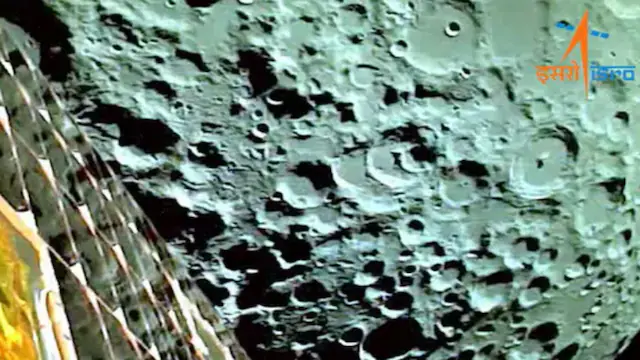
Chandrayaan-2 radar observations have revealed possible underground ice deposits inside permanently shadowed craters near the Moon’s south pole, boosting future exploration prospects.

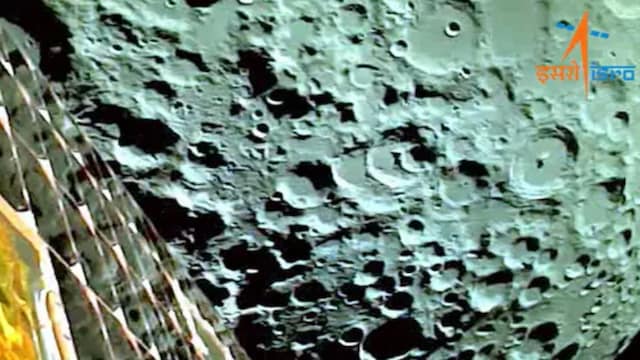
The Indian Space Research Organisation on Wednesday said scientists using data from the Chandrayaan-2 mission have found fresh evidence suggesting the presence of subsurface ice in permanently shadowed craters near the Moon’s south pole.
The findings are based on observations from the Dual Frequency Synthetic Aperture Radar (DFSAR) onboard the Chandrayaan-2 orbiter and were carried out by researchers at Physical Research Laboratory.
Using advanced radar polarimetric analysis, scientists identified radar signatures consistent with possible underground ice beneath the floors of four craters in the lunar south polar region.
Among them, a crater measuring around 1.1 kilometres in diameter within the Faustini crater region showed particularly strong evidence of subsurface ice. Scientists said the crater displayed both radar signatures linked to ice and unusual “lobate-rim” surface features that may indicate the impact penetrated ice-bearing material below the surface.
The study also proposed a refined radar-based method to distinguish actual ice deposits from rough rocky terrain, helping improve the accuracy of future lunar ice detection efforts.
ISRO said the findings could have major implications for future lunar missions, especially for identifying potential landing sites and supporting in-situ resource utilisation (ISRU) activities, where astronauts could potentially use lunar ice for water, oxygen and fuel production.
The research has been published in the Nature portfolio journal npj Space Exploration.
The findings are based on observations from the Dual Frequency Synthetic Aperture Radar (DFSAR) onboard the Chandrayaan-2 orbiter and were carried out by researchers at Physical Research Laboratory.
According to ISRO, the study focused on “doubly shadowed craters” located within permanently shadowed regions of the Moon, where temperatures can remain as low as around 25 Kelvin due to the absence of sunlight and thermal radiation. These extremely cold conditions are considered favourable for preserving water-ice over very long periods.
Using advanced radar polarimetric analysis, scientists identified radar signatures consistent with possible underground ice beneath the floors of four craters in the lunar south polar region.
Among them, a crater measuring around 1.1 kilometres in diameter within the Faustini crater region showed particularly strong evidence of subsurface ice. Scientists said the crater displayed both radar signatures linked to ice and unusual “lobate-rim” surface features that may indicate the impact penetrated ice-bearing material below the surface.
The study also proposed a refined radar-based method to distinguish actual ice deposits from rough rocky terrain, helping improve the accuracy of future lunar ice detection efforts.
ISRO said the findings could have major implications for future lunar missions, especially for identifying potential landing sites and supporting in-situ resource utilisation (ISRU) activities, where astronauts could potentially use lunar ice for water, oxygen and fuel production.
The research has been published in the Nature portfolio journal npj Space Exploration.
(Edited by : Prashant)
Source link