Peak XV-backed Avataar launches new AI model Varya; CEO says it will make video creation 27 times cheaper
He said Varya is designed to solve this problem by making video generation much cheaper.
3 Min Read


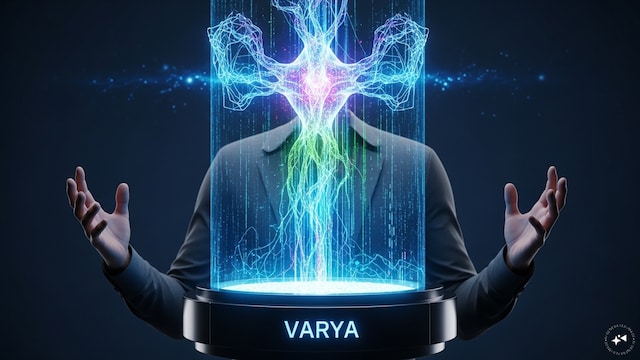
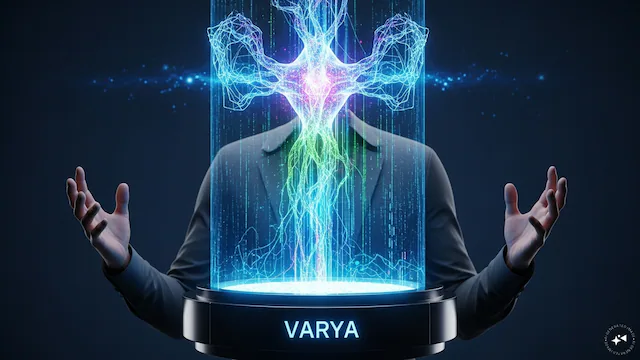
Peak XV-backed startup Avataar.ai has launched a new 14-billion-parameter AI video generation model called Varya. It is described as India’s first distilled video generation AI model.
Speaking to CNBC Awaaz, co-founder Sravanth Aluru said the company sees strong real-world use cases for Varya, especially in education, commerce, and the creator economy.
He said that in education, AI-generated
He also spoke about the growing creator economy, saying platforms like YouTube and TikTok have already shown how important video content has become. This trend, he believes, is expected to grow further.
He, however, added that India’s video content market has not yet reached its full potential because video production is still expensive. Even with existing AI tools, creating videos remains costly, which limits access for many users.
He said Varya is designed to solve this problem by making video generation much cheaper. He compared it with Alibaba’s Wan 2.2 model, saying Varya delivers similar quality but at nearly 27 times lower cost.
According to the company, video generation using Varya costs around ₹0.50 per second. While global AI video models including Google Veo, Kling, Luma, and Runway are priced at roughly $0.10 per second (about ₹9.51 per second).
The model can generate about 211 seconds of video content for every ₹100 spent, compared to just 3 seconds by Google Veo 3.1 and around 7 seconds by ByteDance’s Seedance 2.0.
According to Outlook, "India’s AI opportunity will not be defined only by the largest models. It will also be defined by the most efficient models. For a country of 1.4 billion people, affordability is not a feature, it is a prerequisite," Aluru said.
"We believe the next billion stories, lessons, advertisements, services and experiences will be created through AI, and those capabilities must be available to everyone, not just a few," he added.
The company says it has also received support from the government under the India AI Mission. Last year, the mission selected 12 startups, including Avataar.ai, to develop AI systems and gave them access to low-cost computing power (GPU resources), which is essential for training large AI models.
Earlier this year, IT Minister Ashwini Vaishnaw said that India is planning a major expansion in the AI sector. The government aims to attract around $200 billion in investment by 2028 and also more than double the country’s GPU computing capacity within six months.
Speaking to CNBC Awaaz, co-founder Sravanth Aluru said the company sees strong real-world use cases for Varya, especially in education, commerce, and the creator economy.
He said that in education, AI-generated
videos can help students learn better through tutorials and visual explanations. In commerce, small shopkeepers and businesses can use videos to promote their products and reach more customers.
He also spoke about the growing creator economy, saying platforms like YouTube and TikTok have already shown how important video content has become. This trend, he believes, is expected to grow further.
He, however, added that India’s video content market has not yet reached its full potential because video production is still expensive. Even with existing AI tools, creating videos remains costly, which limits access for many users.
He said Varya is designed to solve this problem by making video generation much cheaper. He compared it with Alibaba’s Wan 2.2 model, saying Varya delivers similar quality but at nearly 27 times lower cost.
According to the company, video generation using Varya costs around ₹0.50 per second. While global AI video models including Google Veo, Kling, Luma, and Runway are priced at roughly $0.10 per second (about ₹9.51 per second).
The model can generate about 211 seconds of video content for every ₹100 spent, compared to just 3 seconds by Google Veo 3.1 and around 7 seconds by ByteDance’s Seedance 2.0.
According to Outlook, "India’s AI opportunity will not be defined only by the largest models. It will also be defined by the most efficient models. For a country of 1.4 billion people, affordability is not a feature, it is a prerequisite," Aluru said.
"We believe the next billion stories, lessons, advertisements, services and experiences will be created through AI, and those capabilities must be available to everyone, not just a few," he added.
The company says it has also received support from the government under the India AI Mission. Last year, the mission selected 12 startups, including Avataar.ai, to develop AI systems and gave them access to low-cost computing power (GPU resources), which is essential for training large AI models.
Earlier this year, IT Minister Ashwini Vaishnaw said that India is planning a major expansion in the AI sector. The government aims to attract around $200 billion in investment by 2028 and also more than double the country’s GPU computing capacity within six months.
(Edited by : Sudarsanan Mani)
Source link