Researchers recycle old phones and cluster them into ‘computing platforms’ that operate as a low-cost data center — says processors on modern smartphones deliver higher single-core performance than comparable multicore servers
This could potentially hit two birds with one stone — reduce e-waste and reduce data center component demand.
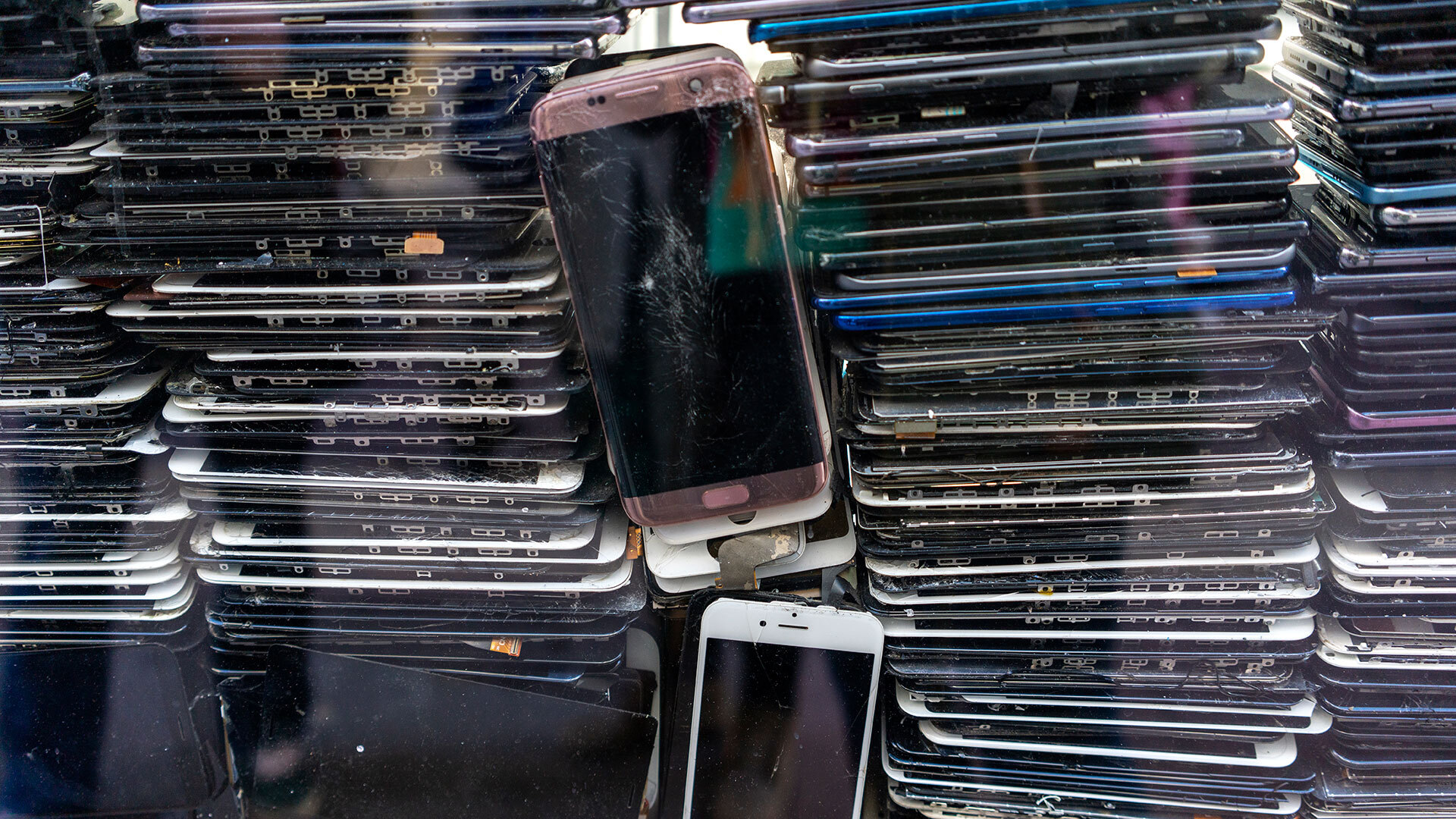
Researchers from the University of California San Diego (UCSD) collaborated with Google to recycle “old” Pixel smartphones and give them a second life as a low-cost data center. According to Google Research, retired smartphones are part of the “embodied carbon” that is associated with manufacturing and its carbon footprint. In fact, humanity’s penchant for mobile devices and replacing them every few years is one of the biggest contributors to e-waste, so the group from UCSD planned to give these discarded devices a second life as a “general-purpose computing platform.”
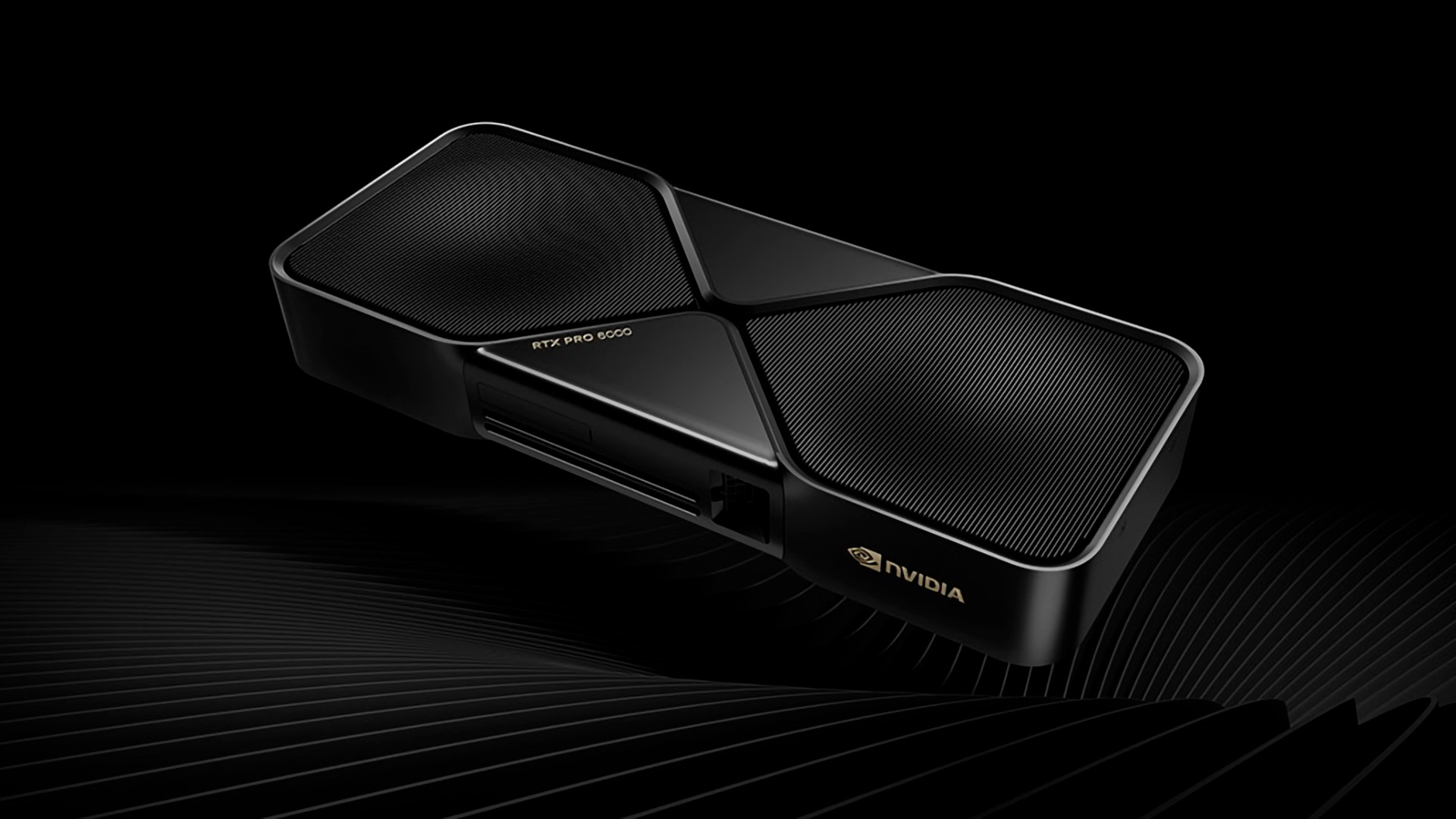
The study revealed that smartphones from just three years ago still deliver a higher single-core performance compared to servers like the Asus RS720A-E11, which can be equipped with Nvidia H200 or Nvidia RTX Pro 6000 GPUs and two AMD EPYC server processors, that you frequently find in the most powerful data centers. While the latter delivers performance that a mobile device can’t even dream of, the fact that the former still scored higher in the SPEC benchmarking suite on a per-core basis meant that researchers could still use them for compute tasks with a little creativity.
The first thing they did was to strip these gadgets of non-essential components — displays, batteries, cameras, speakers, chassis, etc. Only the motherboard remains, as it plays host to the SoC needed for running compute. The Android operating system is then replaced with a general-purpose Linux distro used in data center applications, which removes unnecessary bloat found in the original consumer device and allows for the deployment of orchestration software like Kubernetes. Benchmarking results revealed that 25 to 50 old phones wereequal to the computing power of a single dual-socket server-class CPU.
UCSD determined that a 20-phone cluster can support one application that a 75+ student class requires. So, instead of hosting it on the cloud, which would entail additional costs and resource use on the data center side, it could instead run these apps on a local deployment of these used smartphones. The research team plans to use 2,000 phones to build a local data center that can support “a hundred such classes at once.” Aside from getting the advantage of running apps locally and owning the hardware needed for them, the group also says that it’s only a “fraction of the usual cost,” likely referring to building a local server made from new components. This is especially true today, with the increased pricing for memory and storage chips.
The research team says that it expects to launch the full system later this year and is looking to see how consumer parts can withstand continuous use in a data center application. But even if the experiment is successful, we don’t foresee AI hyperscalers switching to servers made from used phone parts as they would often want to work with fewer parts and the reliability delivered by specialized hardware. Still, this is a great option for universities and educational institutions, as well as smaller entities that do not have the resources to secure brand-new parts and compete against tech giants with billions of dollars to burn.
This isn’t the first time scientists have looked at giving old phones a second life — another group of researchers looked at converting old phones into “tiny data centers” last year, even using one set of four old devices for underwater monitoring. After all, even though the SoCs found in these devices are considered “outdated” by modern standards, they should still be more than capable enough for many mundane tasks. NASA even repurposed the Qualcomm 801 SoC, a mid-range chip from 2014 and found in the Ingenuity Mars helicopter, to help the Perseverance rover find its way around the Red Planet like some sort of processor for a makeshift GPS. And for smartphones that no longer work, people are finding ways to extract the gold and other resources found on their boards for recycling.
Follow Tom's Hardware on Google News, or add us as a preferred source, to get our latest news, analysis, & reviews in your feeds.
Get Tom's Hardware's best news and in-depth reviews, straight to your inbox.

Jowi Morales is a tech enthusiast with years of experience working in the industry. He’s been writing with several tech publications since 2021, where he’s been interested in tech hardware and consumer electronics.
-
scottsoapbox How does the cost compare to a used traditional server? That’s the real benchmark not a bleeding edge server.Reply -
hwertz I wonder if they're using the usb port to get them online or if some poor wireless network is going to have 2000 phones on it? Not that it's an issue, universities do have 'enterprise' style APs and 5ghz has enough channels to keep the number of devices per channel reasonable anyway.Reply
As for a used server... the power draw can be an issue. Obviously a singler server wouldn't break the bank for UCSD but it's worth considering. That said, I thnk part of the point here is just seeing about keeping phones out of the dump (hopefully they got phones with cracked screens or whatever and aren't just scrapping 3 year old pixels for no good reason?)
For those of you who aren't Linux afficionados, nvidias DGX systems are Arm with Nvidia compute hardware, Raspberry Pis are Arm, and there's basically zero missing software on Arm compared to x86-64. Arm Linux is a 1st class experience.
If needed, there is very good x86 and x86-64 emu, good enough that Steam has an Arm version using this if they did have something piece of software or a canned vm or whatever that is not ported. -
JCNicholsLOL They really be scraping everything they can get their hands on to make data centersReply -
Gururu Wouldn’t it be better to keep our old smartphones and donate new phones to our local data center?Reply -
bit_user Reply
Either non-critical compute tasks, or else you have to feed the same operations to different devices and only accept the results if they match. That hurts not only the efficiency of the proposition, but also increases transaction latency. So, it won't work for some use cases.The article said:researchers could still use them for compute tasks with a little creativity.
That's because the DRAM and storage in phones is not server-grade, in reliability. Furthermore, if you're using old devices, the memory is worn down and more likely to produce errors. In fact, maybe the very reason why someone disposed of the device is because it had become flaky!
Also, some workloads require lots of memory, vCPUs, and/or fast local storage. These won't be viable on phones, no matter what. -
bit_user Reply
If you just don't replace your phone as often, then fabs will have more available wafer capacity they can devote to building server CPUs. That applies, at least for as long as the fabs continue to be bottlenecked.Gururu said:Wouldn’t it be better to keep our old smartphones and donate new phones to our local data center?
I guess a related question is why don't datacenters just buy CPUs that are more like smartphones. Well, all of the big designers of server cores have efficiency-optimized alternatives:
AMD provides EPYCs with C-cores
Intel provides Xeons with E-cores
ARM provides Neoverse N-series and E-series cores
So, if cloud operators are using P-core powered CPUs, then they made a conscious decision to favor performance over efficiency. In such cases, I wouldn't expect them to consider a cluster of phones as a viable option, either. But, if they are using the efficiency-optimized CPUs, then that erodes the argument to use the phones. -
bit_user Reply
Unless they have some low-communication workload, then they must use wired networking. WiFi scales horribly, when you have large numbers of devices. Particularly if they're densely-packed, because that undermines schemes like MU-MIMO which routers normally rely on, to minimize interference between users.hwertz said:I wonder if they're using the usb port to get them online or if some poor wireless network is going to have 2000 phones on it? Not that it's an issue, universities do have 'enterprise' style APs and 5ghz has enough channels to keep the number of devices per channel reasonable anyway.
I think the way most cloud services provision workloads is that they have storage on one network and the VMs which use your cloud storage sit on another. That's why cloud folks are so keen on ultra high-bandwidth networking, like 800 Gbps and 1.6 Tbps - because most of the storage I/O to feed hundreds of vCPUs is being squeezed through a couple of network ports. -
LabRat 891 Not the direction viable for large-scale eWaste reuse but...Reply
A conceptual stepping stone. (Sadly, right along with bot clusters ran on eWaste/cheap mobiles)
'Need a semi-universal package that lets the phone communicate over wifi and USB concurrently. So, anyone can start using their old smartphones for cluster computing. -
voyteck ReplyIn fact, humanity’s penchant for mobile devices and replacing them every few years is one of the biggest contributors to e-waste
Really? Look at how much bulky electronic equipment it replaces compared to, say, the '90s, from wired and wireless phones through Walkmans and Discmans to photo and video cameras, not to mention the fact that people read on their screens what they used to read on paper. Hey, some even don't use PCs/laptops anymore. -
Simonhayteruk If Google really cares about ewaste as much as they say, then they should make it easier for consumers to install Linux without hacking methods. With decent funding, the boards inside pixels would make very good SBC's for consumers, making extremely good for home labs, and TV boxes, and moreReply
Source link