Snap reveals new tetherless Specs AR glasses with a $2,000+ price tag

Table of Contents
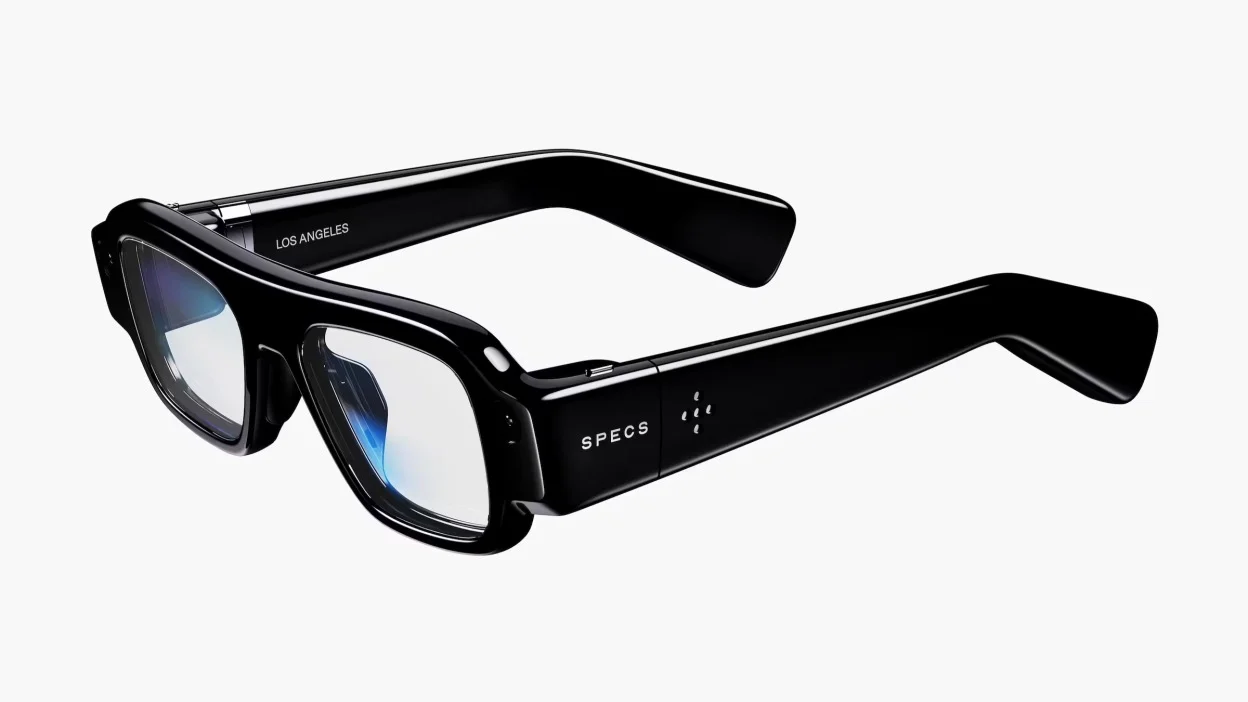
Snap CEO Evan Spiegel announced the launch of the company's new Specs AR glasses on Tuesday during a keynote speech at the AWE (Augmented World Expo) virtual reality expo. Unlike most other augmented reality products, the Specs are fully wireless, marking a big step forward for the product category.
The Specs AR glasses are available for preorder now for $2,195 (with a refundable $200 deposit), and according to Snap, they'll ship this fall to customers in the United States, the UK, and France. The glasses come in two sizes, with a 47mm model weighing 132 grams and a 52mm model weighing 136 grams.
Smart glasses are an umbrella term that includes a wide range of augmented reality and AI technologies.
You May Also Like
With the Specs, Snap seems to be taking an all-of-the-above approach, which is reflected in the price tag.
"We gave ourselves a very difficult challenge," Spiegel said during his keynote. "Specs had to be capable, they had to be wearable, and they had to be more accessible than any other spatial computer has ever been before."
Smart glasses are a fast-growing category, with Apple, Samsung, and Google all confirmed or rumored to be working on upcoming products. However, the Spec's AR glasses house never-before-seen features for the category, which are closer to headsets like the Apple Vision Pro than other smart glasses.
The new Specs feature a proprietary liquid-crystal-on-silicon display, and the glasses can create the equivalent of a 24-inch desktop display for work tasks or a 115-inch screen for entertainment. Unlike AR glasses from companies like TCL RayNeo and Xreal, the Specs do not connect to another device via a computing puck or USB-C tether. They also support hand-tracking for gesture control.
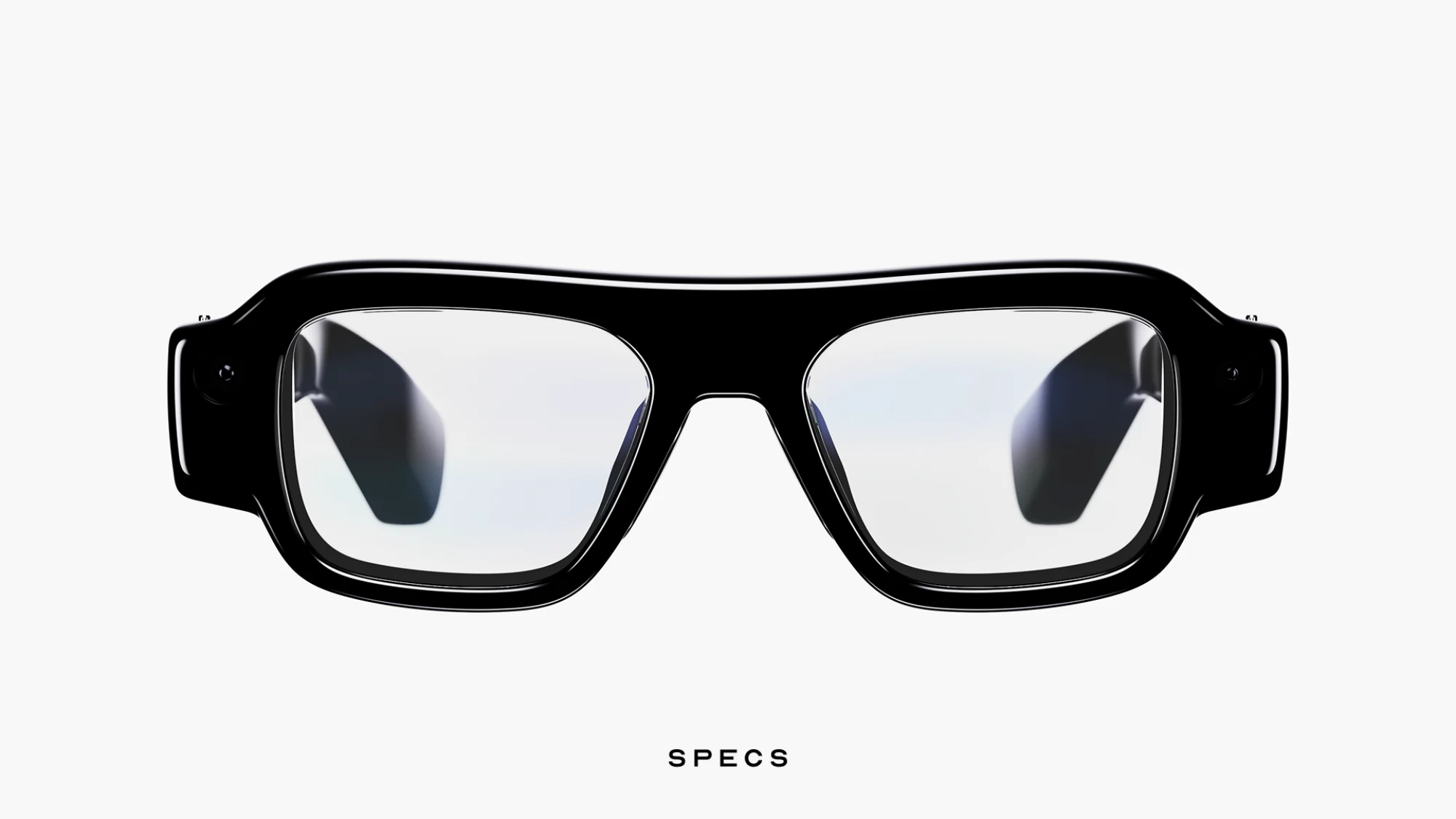
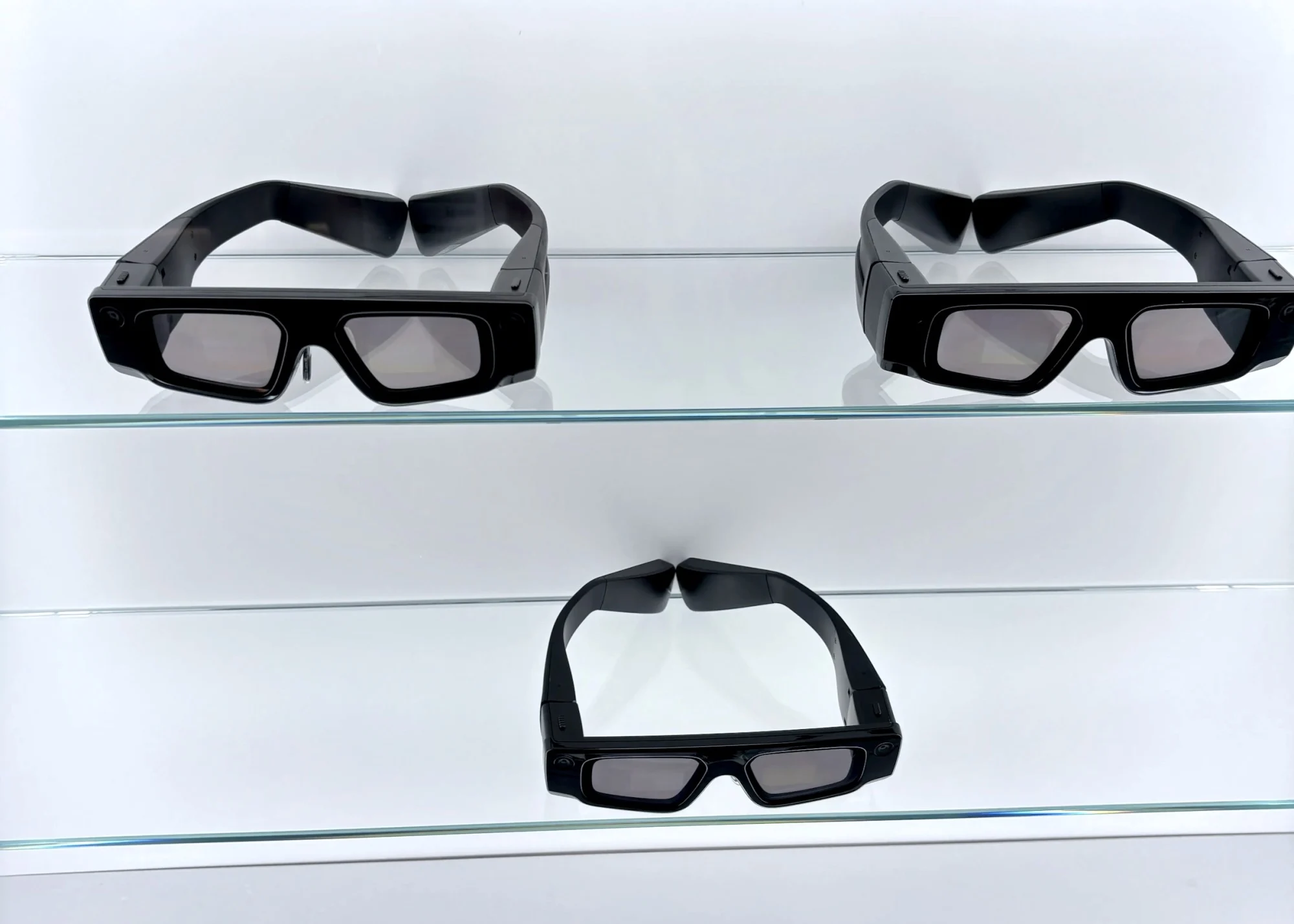
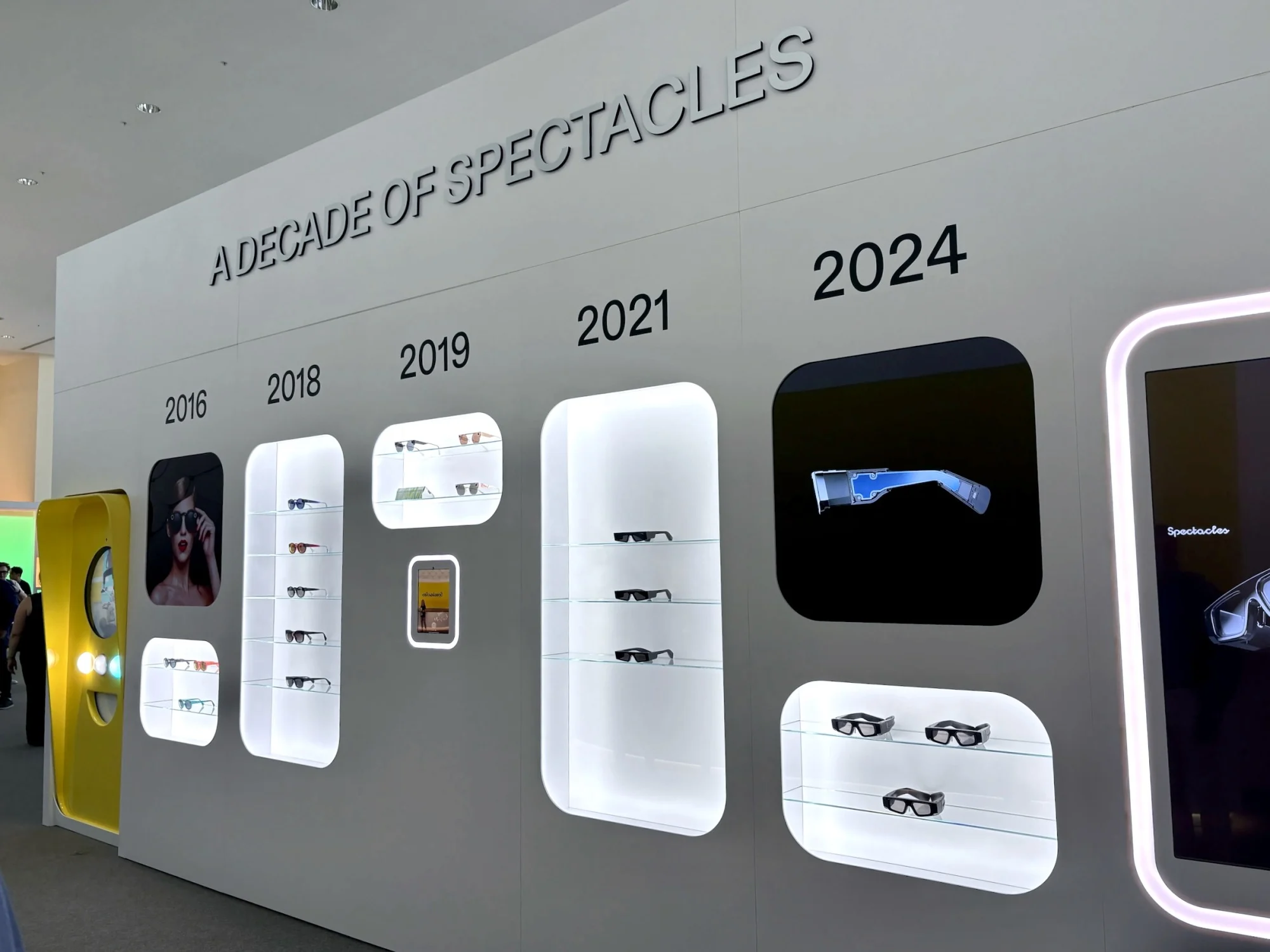
Snap said that it has filed more than 7,000 patents while working on Specs glasses over the past decade. The previous version of Snap smart glasses, the Snapchat Spectacles released in 2024, were bulky and served more as a proof-of-concept than a practical consumer gadget. However, with a $2,195 preorder price, the new Specs are also significantly more expensive than other AR glasses.
Snap said the glasses will provide a "more seamless view of the world with minimal distortion." The glasses also feature electrochromic lenses, which can shift from clear to tinted in 10 seconds.
"Specs are not designed to replace the world," Spiegel said. "They're designed to bring computing into it."
How do the new Specs glasses work?
Specs are a head-worn computer in the shape of glasses, and according to a press release, they feature two on-board processors.
The untethered AR glasses are powered by two Snapdragon processors. One powers computer vision, while the other is dedicated to running the display lenses, hand tracking, and interactivity. Snap said the glasses offer "7-millisecond motion-to-photon latency, helping digital content feel anchored in the real world."
In that sense, the glasses are more similar to the Samsung Galaxy XR or Apple Vision Pro headsets than other display glasses, like the Meta Ray-Ban Display or Even Realities glasses.
Other key specifications include:
A 51-degree field of view, equivalent to looking at a 115-inch screen at 10 feet away
Custom stereo speakers
Six high-SNR MEMS microphones
Swiss TR90 polymer frame
Display supports 16 million colors
Snap said the glasses will provide up to four hours of mixed-use battery life, which reportedly includes both audio and video playback, as well as AI interaction. A charging case will provide additional charges, for a total battery life of 20 hours.
To attract third-party apps and partners to the Specs ecosystem, Snap also announced the launch of a new developer preview and native development kit. The developer tools will be available in the Snap Lens Studio, and a developer preview will also be available in Claude Code, Codex, and Cursor.
The glasses are available for preorder starting today at Specs.com.
UPDATE: Jun. 16, 2026, 1:00 p.m. EDT This article has been updated with additional information about the Specs glasses.

Timothy Beck Werth is the Tech Editor at Mashable, where he leads coverage and assignments for the Tech and Shopping verticals. Tim has over 15 years of experience as a journalist and editor, and he has particular experience covering and testing consumer technology, smart home gadgets, and men’s grooming and style products. Previously, he was the Managing Editor and then Site Director of SPY.com, a men's product review and lifestyle website. As a writer for GQ, he covered everything from bull-riding competitions to the best Legos for adults, and he’s also contributed to publications such as The Daily Beast, Gear Patrol, and The Awl.
Tim studied print journalism at the University of Southern California. He currently splits his time between Brooklyn, NY and Charleston, SC. He's currently working on his second novel, a science-fiction book.

Source link